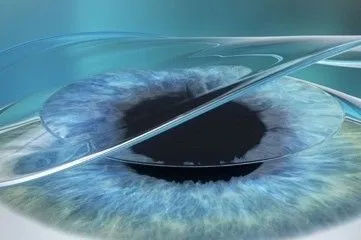
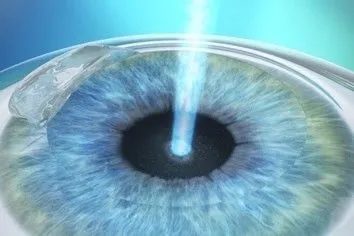
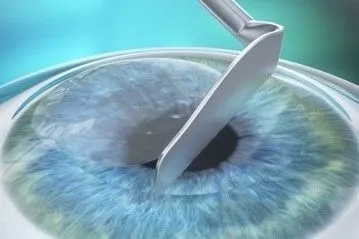
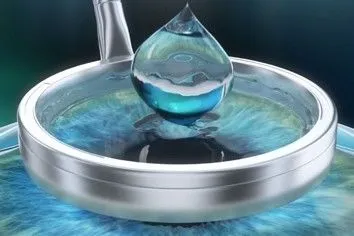
How is LASIK done?

What if I’m not a candidate for LASIK?
Photorefractive Keratectomy (PRK)
Both LASIK and PRK reach the same destination, it is the route that is taken to get there that is different.
Advanced Surface Ablation Treatments, such as PRK, have been demonstrated to provide a safe and effective alternative to LASIK. Patients with a thinner cornea, atypical corneal shape, drier corneal surface or very high prescriptions, may be better suited for PRK as an alternative to LASIK.
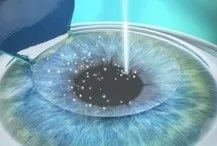
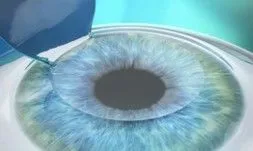
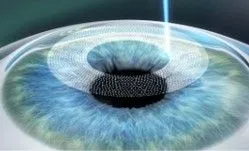
LASIK and PRK have the following in common: In PRK, a very thin layer of the surface of the cornea (the epithelium) is removed with a microsurgical brush instead of creating a flap. The excimer laser, which is a laser that delivers a cool pulsing beam of ultraviolet light, is then used to reshape the surface of the cornea. This is the same laser that is used to reshape the cornea underneath the flap in LASIK. The same Advanced CustomVue technology is used in PRK as in iLASIK at Chelsea Eye Ophthalmology.
After the treatment, the recovery time is slightly longer than LASIK, because regeneration of the surface epithelium is a process that can take several days. A bandage contact lens is usually applied following the procedure to facilitate recovery and is removed about five days post-op. Most patients can return to normal visual activities in about four to five days after the procedure. The main difference between PRK and LASIK is that PRK has a slower visual recovery and has slightly more discomfort in the immediate postop period than LASIK. The visual outcomes from both procedures, however, are the same.
How is PRK done?